
On March 12, 2025, the United States imposed a sweeping trade policy of 25% tariffs on steel and aluminum.
Even though the tariffs are aiming to level the playing field for American manufacturers, there are fewer metal imports into the country, and what is available in the market is not sufficient for local use.
As a result, consumers and businesses will have to shoulder higher costs on goods made using these metals and wait longer for deliveries.
On top of that, as these trade taxes take shape, they must find ways to navigate the rising challenges to keep their operations running.
Still, in the long term, these tariffs could strengthen domestic production and encourage investment in U.S.-based manufacturing.
In this article, we’ll break down how steel and aluminum tariffs are reshaping US manufacturing, why domestic metal production matters more than ever, and how Bunty can help you stay resilient in a changing market.
While the tariffs are ultimately meant to revive American metal parts production, there is currently a widespread disruption in supply chains, manufacturing inflation, and retaliation from trading partners.
Here’s the breakdown of the impact that steel and aluminum tariffs have on US manufacturing.
With the implementation of 25% tariffs on steel and aluminum, manufacturers are forced to deal with price surges, with prices going as high as 45% more on premium items.
For example, before the tariffs, the price of hot rolled coil steel was about $890.
Now, after the 25% tariffs, the cost is projected to increase by 15 to 25%.
That is a $10 to $110 increase per short ton.
Industries that are directly affected include consumer goods that are packed in tins and cans, appliances that use metal components, the automotive as well as aerospace industries that use a lot of steel for parts.
Business owners can expect to pay more on vehicles, appliances, HVAC systems, and sports equipment, among other things, depending on their sector.
The sweeping tariffs on metals by the US have ruffled feathers in the global steel and aluminum market.
Countries are countering with their own tariffs on American exports, which has brought about trade tensions that are affecting different sectors beyond just metals.
For example, Canada—the largest supplier of steel and aluminum to the US—is planning to impose 25% tariffs on more than $20 billion worth of US goods.
On the other hand, the European Union wants to impose counter tariffs on $28 billion worth of products from the US.
As a result of these retaliatory measures from different countries, US exporters are losing their market share to global rivals in countries without tariffs.
As metal prices surge, they continue to trigger widespread delays in the manufacturing sector.
These delays are caused by supply chain shortages and the scramble by manufacturers to source affordable options.
Businesses are exploring alternative sourcing from countries like India and Vietnam, but there are logistical hurdles that make the process longer and expensive.
Meanwhile, manufacturers are shelving their activity and production until they are able to import the needed metals for their work.
There are also a lot of policy changes that require adjusting at the company level, as well as the Federal Reserve level.
Policy makers are taking time to strike a balance between profits, security, and economic realities to avoid long-term industrial decline.
This forces businesses to stop or minimize manufacturing until the dust settles.
Delayed projects inevitably cause supply shortages which result in a rise in the Consumer Price Index (CPI), which means increased prices for consumers on goods.
This ultimately strains the growth of GDP.

Sourcing aluminum and steel from other countries leads to delays and higher costs due to tariff fluctuations and policy changes.
This volatility makes long-term planning uncertain.
On the other hand, when metal manufacturing is done domestically, supply chains become more stable and uncertainty is significantly reduced.
Therefore, working with US-based metal manufacturers is the way to go to avoid bottlenecks and other geopolitical risks.
It costs less to ship around the country, orders arrive on time, and the risk of damaged goods because of long trips is reduced significantly.
Establishing metal manufacturing facilities in the U.S. ensures that production adheres to domestic regulations and quality standards, resulting in consistently higher-quality metal parts.
This is especially important for industries like automotive, aerospace, and energy, where safety and performance are integral.
Initially, domestic materials may seem expensive, but working with US manufacturers eliminates tariffs, saves on transportation costs, minimizes downtime, and reduces the need for rework.
This effectively offsets the difference in the long run.
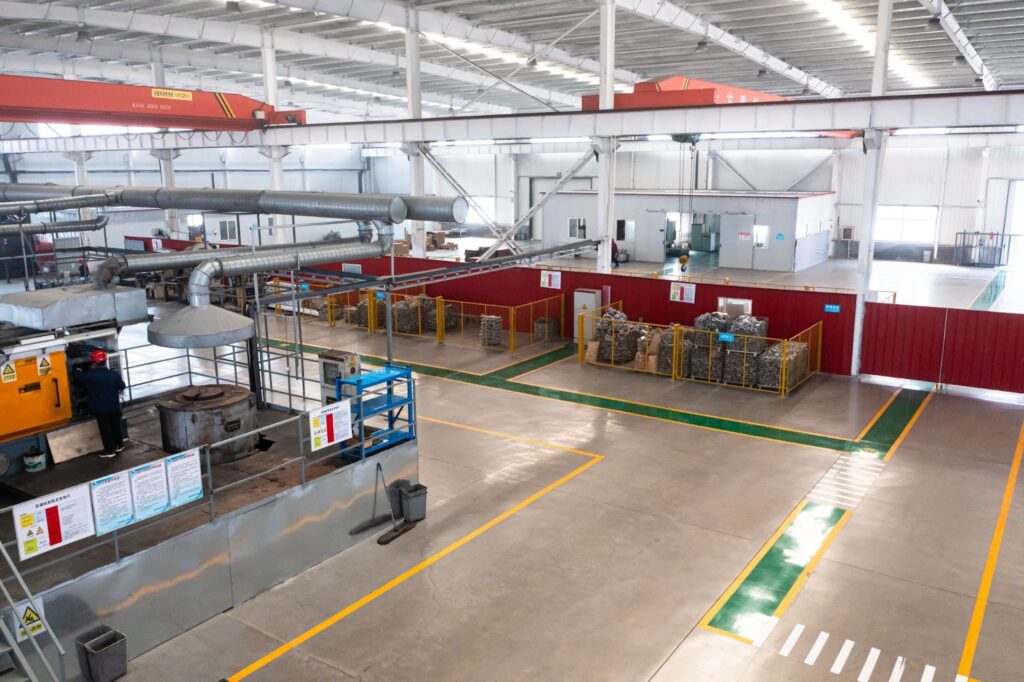
Partnering with a US-based metal manufacturer with decades of experience in crafting high-quality, durable components like Bunty can help businesses mitigate the effects brought about by tariff fluctuations.
With headquarters in Greenville, South Carolina, we offer faster lead times and cost-effective production in times when global supply chains are strained and reliability is more important than ever.
Source: Bunty
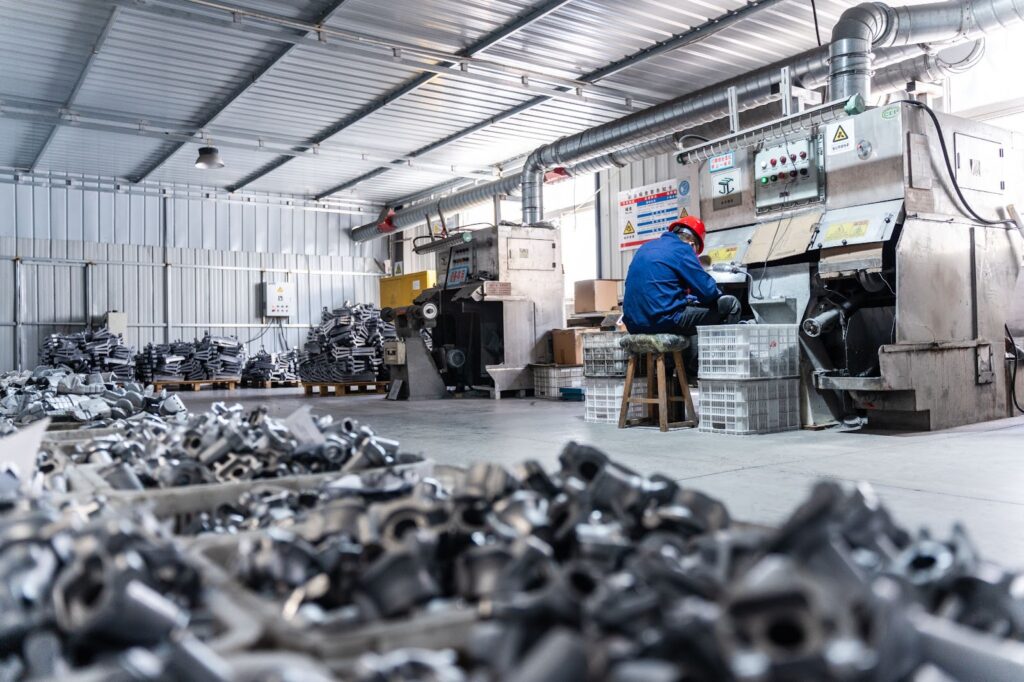
As a full-service, custom machined, forged, and cast metal parts fabrication enterprise, Bunty tailors metal components for different industries to make parts that perfectly fit their purpose.
Whether you’re in the aerospace, medical, oil and energy, or automotive industry, our modern facilities and skilled technicians ensure that every part meets exact specifications and industry standards.
Source: Bunty
On top of that, Bunty is an AS9100D and ISO 9001:2015 certified company that offers comprehensive prototyping, manufacturing, and consultation services for all your metal manufacturing needs.
In addition, we work with clients to streamline the supply chain by proactively managing inventory and packaging to minimize damage and delays.
Tariffs on steel and aluminum are directly impacting American manufacturing, no doubt about it.
However, this is an opportunity for US-based businesses to recognize the value domestic metal manufacturers have to offer.
Partnering with Bunty for your steel and aluminum needs ensures you get high-quality, tariff-free metals, certified processes, and agile supply chains.
With a reliable supplier like Bunty, you get a competitive edge in an uncertain trade landscape.
Contact BUNTY Today
Contact us to learn more about our steel and aluminum components and explore your options for long-term success.